What are the different types of congenital heart defects?
We classify congenital heart defects into several categories in order to better understand the problems the baby will experience. Read about different kinds of heart defects.
What is a fetal echocardiogram?
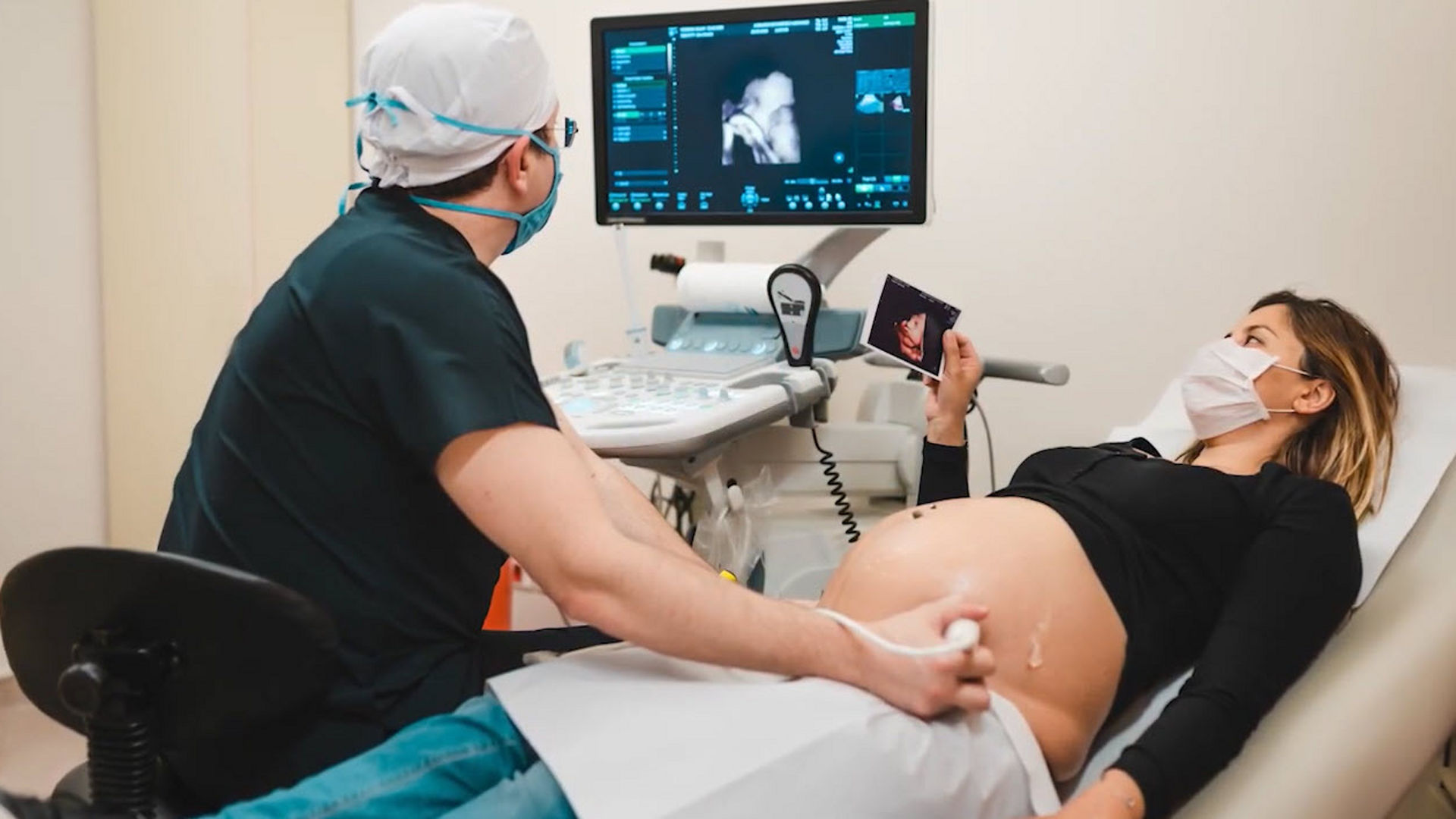
A fetal echocardiogram is a detailed ultrasound of the fetal heart. This ultrasound involves:
- Taking many short video clips of the fetal heart and related structures from different angles.
- Evaluating the blood flow patterns in these structures.
Fetal echocardiograms are completely safe, without any risk to you or your baby.
Why would I need an echocardiogram?
Sometimes, pregnant women are referred for a fetal echocardiogram because there is a risk factor that increases the chance of a congenital heart defect in their fetus, such as:
In other cases, a referral is made because the fetus’s heart isn’t clearly seen on the obstetrical anatomy scan, or there is a concern for a structural or rhythm problem of the heart.
Who performs the echocardiogram?
When an obstetrician or maternal-fetal-medicine specialist refers a pregnant woman for a fetal echocardiogram, she is referred to see a fetal cardiologist who is a pediatric cardiologist with additional training in fetal echocardiography. Then, either a sonographer or a physician can perform the actual fetal echocardiogram. Interpretation of the fetal echocardiogram will be done by a fetal cardiologist, and you will receive the results of the fetal echocardiogram during your visit.
How long does a fetal echocardiogram take, and what happens after?
Pregnant women are seen in our Betty Irene Moore Children’s Heart Center or at one of our Stanford Children’s Health Fetal Cardiology clinics.
- Duration: The fetal echocardiogram takes about 30 minutes to an hour, but it can take longer if the baby is in a challenging position or if there are abnormal findings.
- Timing: Under optimal conditions, it can be performed as early as 14 weeks’ gestation and should reveal all major congenital heart defects.
- Consultation: Once imaging is done, the fetal cardiologist will review the images and meet with you to discuss the results and any potential care plan.
- Follow-up: If no abnormalities are found, a postnatal echocardiogram or cardiac evaluation is often not necessary. If abnormalities are identified, your fetal cardiologist will explain the findings, if and what surgical repair may be necessary after birth, and options for next steps. Your fetal cardiologist will provide a report of your visit to your referring obstetrician or maternal-fetal-medicine specialist.
Do you care for all fetal cardiac conditions?
Please see our “Conditions we treat” section.
What kinds of treatments are available for my unborn baby?
Most of the time, a fetus’s protective environment allows the fetus to grow and thrive until delivery despite the fact that he or she has congenital heart disease.
- Medical interventions: In rare cases, some prenatal medical interventions are needed to help with fetal heart rate disturbances. In these cases, we work with multiple care teams to manage the delivery of medicine to the mother safely.
- Transcatheter interventions: There are very rare times when there is a need for a transcatheter intervention on a fetus to try to open up a small heart valve. We do not perform these procedures here, but we partner with an institution that performs these high-risk procedures frequently.
How do you monitor my baby?
Many times, monitoring is done in a coordinated manner by both your obstetrician and us:
- Obstetrician: Will monitor fetal activity, growth, and overall health. He or she will let us know if there are any concerns.
- Fetal cardiologist: If your fetus has a condition that could get worse, we will see you and image your fetus's the heart frequently. If the defect is unlikely to change in severity, we may only image the fetus once or twice after diagnosis.
What kinds of treatments are available after my baby is born?
Treatment options are specific to each patient. During your visit, we will:
- Explain the specific condition.
- Discuss what treatments are available for your baby and the "big picture" of your child’s expected future.
- Have a conversation where you are able to ask us questions that direct us to provide information that is important to you.
How does your team support me and my family after a congenital heart disease diagnosis?
When parents learn that there is a heart problem, they are often in shock and dealing with strong emotions. They find it very hard to take in complex information or participate in the discussion. This is normal. We follow up with you by phone, by videoconference, or in person as many times as you need, in order to understand the information you have been given.
You are not alone; we are now a team, working together to make the best care decisions for your family and your child.
What other resources you would recommend for parents or families who received a fetal cardiac diagnosis?
We partnered with parents like you as well as with other providers across the country to create the CHD Care Compass, a comprehensive resource for expectant parents of a child who was diagnosed with congenital heart disease (CHD). This website contains a wealth of information meant to help you:
- Cope better with the emotional news of hearing about your unborn child’s heart diagnosis and navigate the care journey going forward.
- Hear from other parents who have been through the same journey as the one you’re about to embark upon, you will likely feel more empowered and less overwhelmed about your child's heart defect.
To learn more, view this video and hear from our Fetal Cardiology program Medical Director.

 MyChart



Connect with us:
Download our App: